
Roosters Fan Relieved To Take His Mind Off Government's Abhorrent And Socialist Capital Gains Tax Changes
CLANCY OVERELL | Editor | CONTACT The mighty Sydney Roosters will throwing the kitchen sink at the New Zealand Warriors when they

EDITORIAL
England didn’t just lose the Ashes in Australia. They played every note of a performance that has become entirely predictable. Confidence outrunning evidence. Explanations replacing outcomes. Reality arriving far later than it should have. If this feels familiar, it’s because it is. Strip away the press conferences and the jargon and what remains looks uncannily like an episode of The Inbetweeners. What follows are England’s Ashes player ratings, through that lens.

The organiser. The rule-follower. The Disciple. The bloke who genuinely believes this can work if everyone just listens. But in the end, he is just a boy standing there, with a briefcase, asking a nation to love him. Constantly disappointed in himself and feels wronged by the universe whenever things don't go his way.
Spent most of the series explaining the plan while it all went to shit around him. Also, too many Yoda impressions at press conferences. Most likely to wear a black singlet to a party.
Rating: 6/10
Serious. Earnest. Powerless. He tried, sometimes.

The emotional ballast of Ben Stokes.
Calm, reassuring, endlessly patient, and quietly holding everything together while chaos unfolds elsewhere. Does the basics properly without fuss, avoids the drama, and never raises her voice even as things deteriorate around her.
You get the sense Root knows exactly how bad this is, but also knows panicking won’t help. So he tidies up where he can, offers gentle encouragement, and lets everyone else burn energy arguing about things he solved years ago.
Not in charge. Not listened to. Still essential.
Rating: 6.5/10
Kept things from getting worse. Couldn’t make them better.
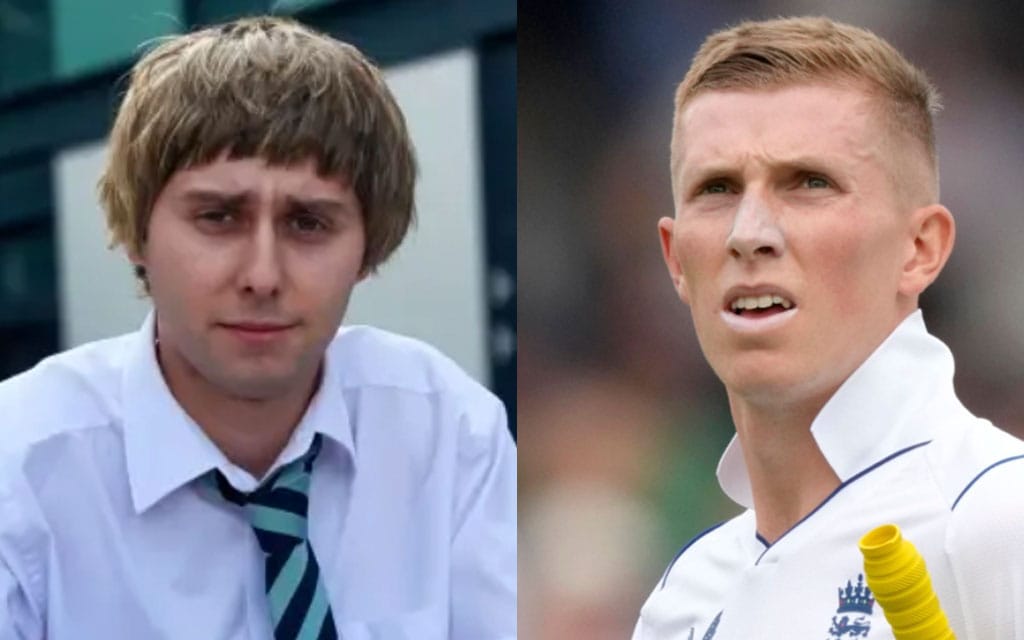
Absolute, unshakeable faith in himself regardless of evidence, conditions, opposition, reality or recent history. One big innings is all it takes to reset the narrative entirely. Selection debates vanish. Doubts are waved away. Everyone remembers the ceiling and politely ignores the floor. Every subsequent failure is treated not as a warning sign, but as a temporary interruption to an inevitable breakout that is always just around the corner.
When it works, it’s spectacular enough to justify everything. When it doesn’t, which is most of the time, the confidence remains untouched. Reality never dents it. It simply queues up behind the next opportunity.
He is to batting what Sajid Mahmood was to bowling in 2006/07. Proof that one unforgettable performance in county cricket can buy an extraordinary amount of goodwill, no matter how much comes after it.
Rating: 4/10
Confidence doing most of the work. Evidence doing very little.
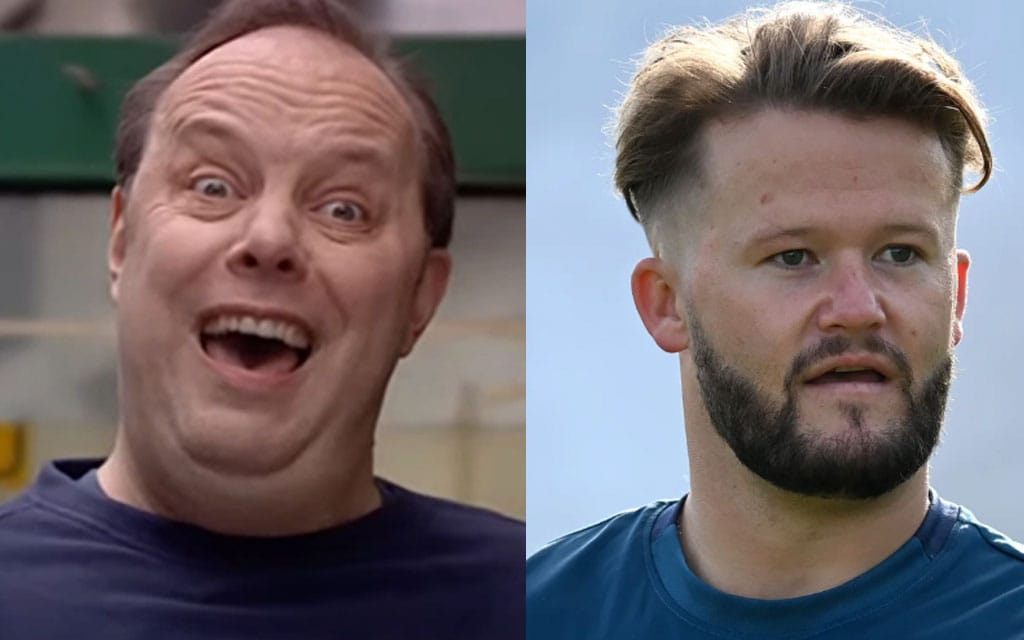
Aggressive confidence. Loud certainty. Absolute conviction that this should be working. And if it isn’t, then it’s clearly someone else’s fault. Possibly the pitch. Possibly the captain. Almost certainly his son.
Carries himself like a man who has never doubted a decision in his life and has no intention of starting now. Every failure is met with indignation rather than reflection. Every criticism is taken personally. Would almost certainly own a caravan, would definitely insist it’s top of the range and would loudly explain its features to strangers who did not ask.
There is a permanent sense that Duckett believes he is being unfairly treated by the cosmos itself. The anger builds not because things are going badly, but because the universe is refusing to acknowledge how right he feels he is.
Looks like the world’s largest dwarf. Acts like it, too.
Rating: 2/10
Very sure. Frequently wrong.
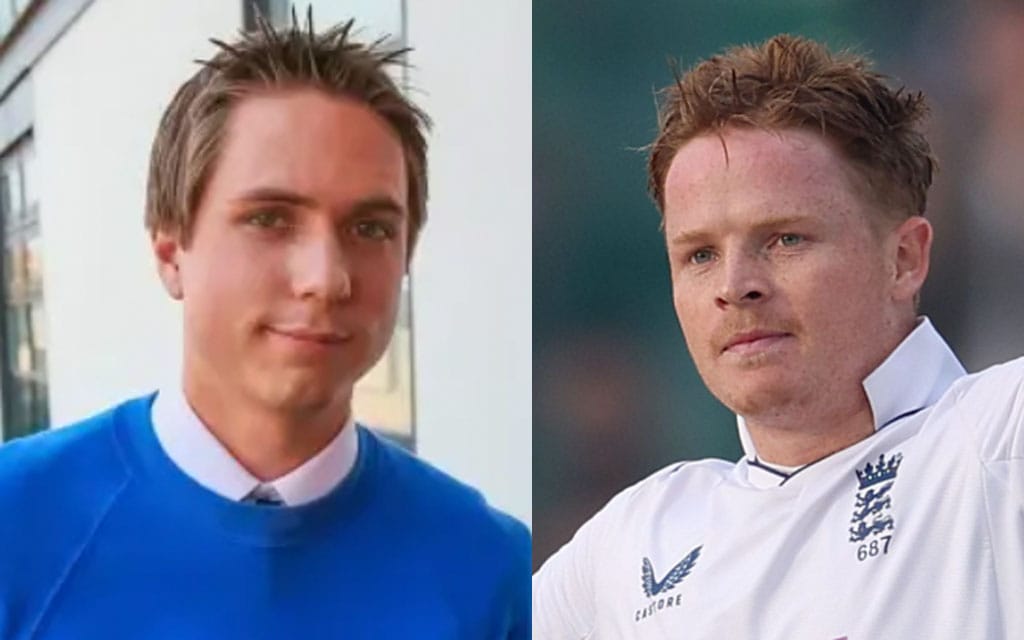
Technically gifted. Emotionally fragile. Permanently one bad decision away from disaster. Everything about Pope looks correct until the moment it matters. The stance is neat. The shots are orthodox. The intent is sensible. And then, just as the innings begins to take shape, the self-doubt creeps in and something unravels. A loose prod. An ill-advised drive. A moment of panic dressed up as positivity.
You can usually see it coming a few balls out, which somehow makes it worse. Every innings feels less like a test of skill and more like a live psychological experiment, with Australia content to apply the bare minimum of pressure and wait for the implosion. They don’t need to rush him. He’ll get there on his own.
The talent is obvious and undeniable. That’s what makes it so frustrating, for English people. But belief, once cracked, doesn’t regenerate quickly in Australia, and Pope never quite looked convinced he belonged there.
Rating: 4/10
Pressure found him immediately.

Good-natured. Oblivious. Permanently convinced things will probably work out.
Brook moves through this tour with an air of cheerful detachment, as if vaguely aware things are going wrong but confident it won’t personally affect him. There are flashes where the talent bubbles up naturally, moments where it looks like he might just blunder into something meaningful, but they rarely last long enough to alter the broader picture.
Like Neil, he never quite grasps the seriousness of the situation. Mistakes are shrugged off rather than interrogated. Failures are absorbed without obvious adjustment. There’s no visible panic, but there’s also no evidence of learning. Australia don’t target him aggressively because they don’t need to. Time, conditions and repetition do the job for them.
You’re left with the sense that Brook exits the series largely unchanged by it, which may be comforting in the short term and worrying in the long one.
Rating: 6/10
Survived the experience. Took very little from it.

Appears briefly. Makes an immediate impression. Then largely disappears again.
Like Katie, Smith is only around for a handful of moments, but when he does show up he cuts through the noise. There’s no interest in playing along with the bravado or indulging the chaos. He looks faintly irritated by the whole operation, as if aware this is all beneath the level it should be operating at.
There’s a sense he understands what’s required, even if he’s not given the time or space to prove it. No grand statements. No obvious panic. Just short, functional contributions before the focus drifts elsewhere and he slips back out of the picture.
Not a central character. Not a disaster. Just a reminder, briefly, that something more coherent might have been possible.
Rating: 6/10
Didn’t overstay his welcome. Left you wondering why he wasn’t around

Talked up endlessly. Universally fancied.
Everyone agrees there’s something there, even if no one can quite explain what it is. Arrives with a reputation that far outpaces what actually happens once things get serious.
Brief flashes are enough to keep the belief alive, but never long enough to turn interest into commitment.England keep waiting for the breakthrough moment. It never quite arrives, and eventually attention drifts elsewhere without anyone formally acknowledging it. Not much else to say, is there.
Rating: 4.5/10
All promise. No payoff. Still inexplicably popular.
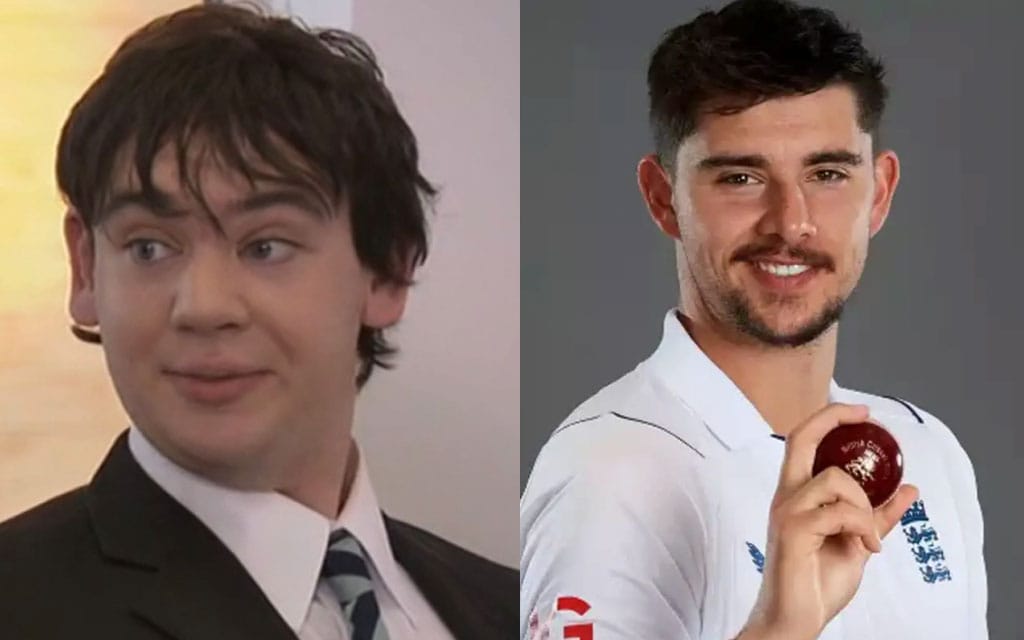
Looks like he should be able to handle this. Sounds like he should be able to handle this. Is repeatedly asked to handle far more than intended. Tongue is thrust into prominence by circumstance rather than design, and you can feel it. He tries to be aggressive, tries to impose himself, tries to look comfortable with the responsibility, but the situation keeps outrunning him. Overs pile up. Expectations inflate. Margins disappear.
Like Big John, there’s an assumption that size and presence will solve the problem. That if he just leans in a bit harder, things will sort themselves out. Instead, he absorbs punishment quietly and keeps going, even as the task becomes increasingly unfair. Big John also speaks like his tongue is too big for his head, so there is also that. There’s effort here, and no shortage of honesty. What’s missing is support, clarity and a role that fits. Australia recognise it immediately and apply pressure accordingly, confident that time will do what variation can’t.
Not a failure. Just overexposed.
Rating: 5/10
Asked to be more than he was ready to be.
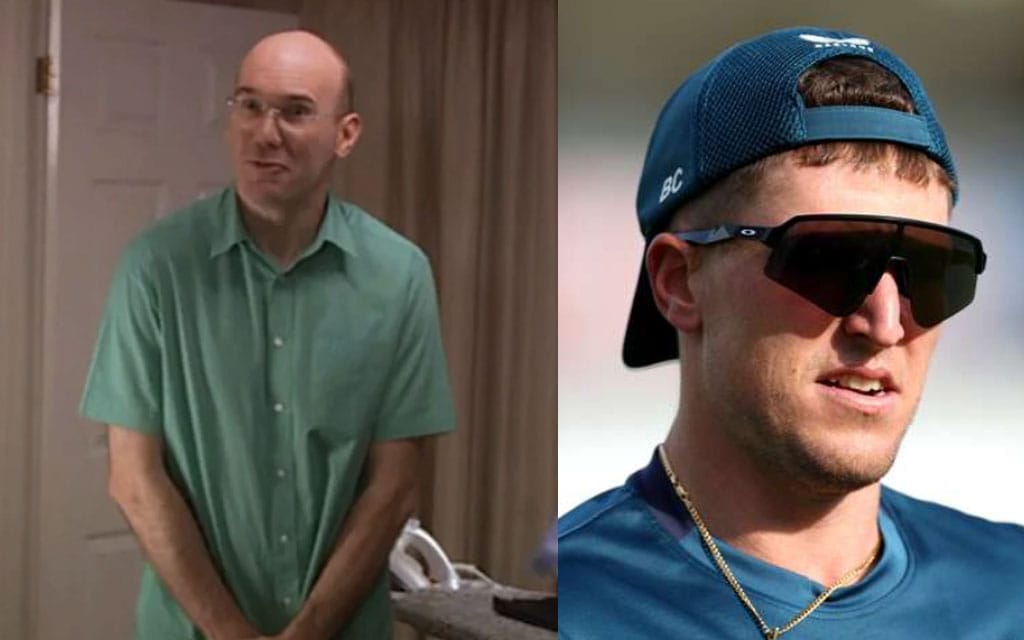
Turns up with no fanfare and even less explanation.
Carse has the air of someone who agreed to help out in a limited capacity and has somehow found himself in the middle of something far bigger than advertised. He looks capable enough. Solid. Dependable, even. But there’s a constant sense that he’s slightly surprised to be here at all, nodding along while decisions are made elsewhere.
Like Neil’s dad, he gives off the impression of a man who thought this would be straightforward. A bit of support. A bit of guidance. Instead, he’s suddenly responsible for holding things together while more dominant personalities argue around him. All with a funny accent.
There’s nothing overtly wrong with what he does. That’s almost the problem. He doesn’t seize the moment, doesn’t impose himself, doesn’t change the temperature of the game. He just exists within it, quietly doing what he can while the larger forces at play carry on regardless.
Not embarrassing. Not inspiring. Just present.
Rating: 5/10
Didn’t collapse. Didn’t move the dial either.
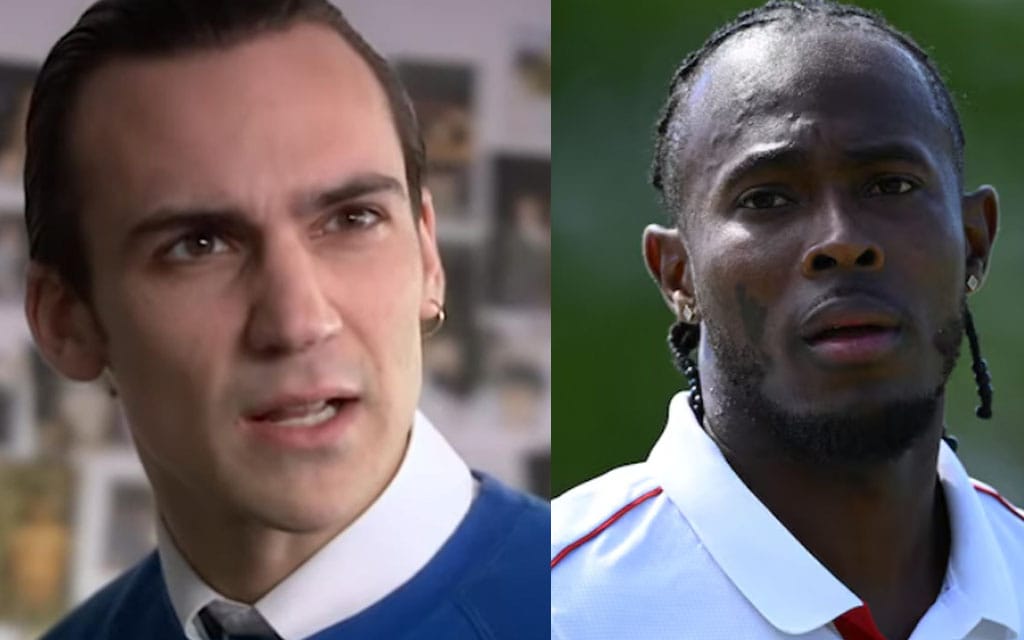
Physically intimidating. Naturally gifted. Carries an aura that does a lot of the work before anything actually happens. When Archer appears, the mood shifts. There’s a brief sense of danger, a flicker of anxiety, a reminder of what could go wrong if things line up. Batsmen take a moment longer. Commentators lower their voices. England convince themselves this might be the turning point.
And then, just as quickly, he’s gone again.
Like Donovan, the threat is real but fleeting. The presence matters more than the follow-through. Injuries, interruptions and long gaps between meaningful contributions mean the fear never quite crystallises into control. Australia acknowledge him, absorb the moment and wait it out. Or get flogged.
You’re left with the frustration of knowing exactly how damaging Archer could be, while watching that potential remain largely theoretical. The reputation endures. The impact, on this tour at least, does not.
Rating: 4/10
The aura arrived. The damage didn’t.
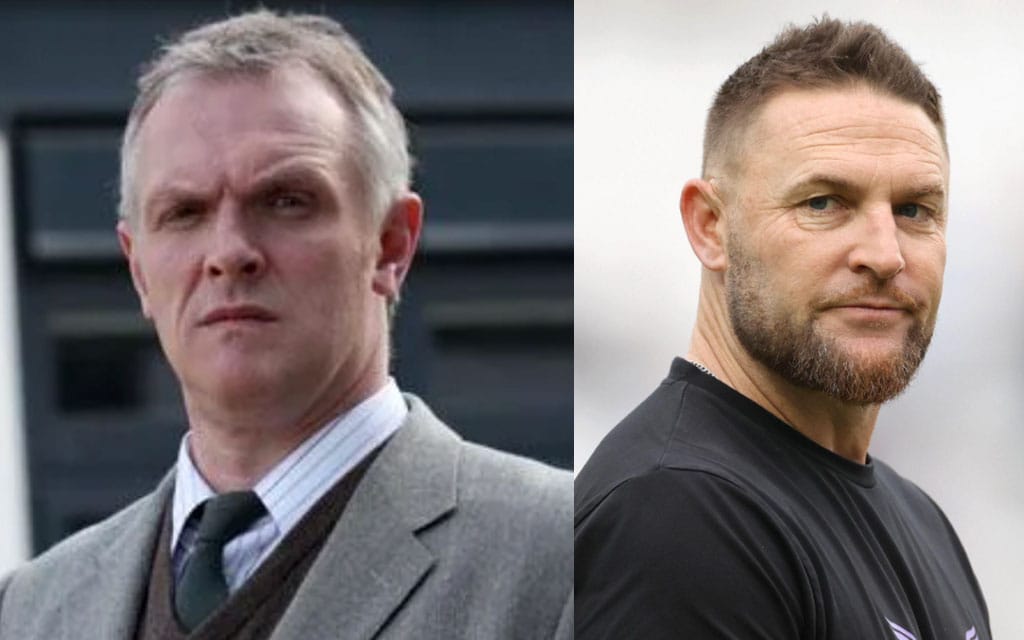
The authority figure. The disciplinarian. The one who knows exactly what’s wrong and is increasingly furious that saying it out loud isn’t fixing it.
McCullum arrives with clarity, conviction and a belief that honesty is the ultimate corrective. When things go badly, he doesn’t sugar-coat it. He tightens the language, sharpens the messaging, raises the voice. But nothing changes. There is a strong sense that if everyone would just listen, this could still be salvaged.
Like Mr Gilbert, he operates on the assumption that the truth, delivered forcefully enough, should be enough to impose order. And like Mr Gilbert, he slowly realises that authority only works if the room is prepared to accept it. The students nod. They agree. Then they go straight back to doing exactly what they were doing before. There’s no doubting his diagnosis. Preparation gaps. Role confusion. A reliance on belief where structure was required. But diagnosis is not control and by the time the message fully lands, the lesson is already over.
But if the world is right and just, he'd be back in Christchurch by tomorrow night. Knocking back Steinlager Classics at The Bog with nobody else around.
Rating: N/A
Correct about almost nothing. Obeyed by even less.